
What Is Considered an Emergency?
An emergency is a situation that poses an immediate risk to health, safety, or the property, or could cause serious damage if not addressed promptly.
Examples include:
-
No heating or hot water during cold weather. You must check and top up the pressure on the boiler first.
-
Severe water leaks or burst pipes or where the water must be turned off at the stop cock.
-
Electrical faults that pose a safety risk
-
No power. You must check the fuse board/trip switches first.
-
Blocked drains causing flooding
-
A toilet in the property will not flush and/or is blocked (where there is only one toilet in the property).
-
No bathing facilities are operational and there are no other alternatives available in the property (such as an en-suite, additional bathroom, etc).
-
Security issues such as a broken external door or window following a break-in or a complete lock failure to the main door, which renders the property insecure.
-
A suspected gas leak should also be considered an emergency issue, however, if you suspect that a gas leak has occurred you should call National Grid on 0800 111 999 at any time of day or night.
Issues such as minor leaks, cosmetic damage, appliance faults (where alternatives are available), or general wear and tear are not usually considered emergencies and should be logged as routine maintenance.
What to Do During an Emergency
When an emergency maintenance issue occurs, there are some important steps tenants should take to ensure that both they and the property remain safe. These can include ensuring water is stopped when dealing with leaks or checking the main fuse box if your power shuts off.
During an emergency, you can instruct a contractor to carry out work up to the value of £150 + VAT.
-
You should keep receipts and photographic evidence of the work
-
Log the issue via the online maintenance platform so that our team can record the work
-
Any reasonable costs incurred may be reimbursed once the issue and the corrective action taken have been assessed and approved by our team
-
Please ensure that all invoices and receipts are retained, as these will be required to process any reimbursement request
Uncontainable Leaks

During the event of an uncontained water leak, you should be sure to turn the water off at the stop tap as soon as possible. You should also make sure that any water that has leaked is mopped up to avoid any further damage to the property and any potential injuries due to slips and falls.
No Electricity
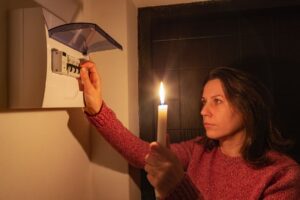
If the power in your home shuts off, there are a few actions you should take before contacting a contractor.
Firstly, you should check your fuse box to see if any of the fuses have tripped. If they have, switching them back on may resolve the issue.
If the switch continues to trip, it may be that one of your electrical appliances or devices is causing the fault. In this case, you’ll need to check each appliance individually to see if they are what is causing the fuse to switch.
Any device that is causing the switch should not be used until it can be inspected and repaired or replaced.
Finally, check to see if any of your neighbouring properties have lost power. If there is a local power cut, your electricity provider will be informed and you’ll need to wait for the power to be restored.
Lock Failure or Break-In

If you have lost access to your property due to having lost your keys, you will be required to have a locksmith attend the property to change the locks. It is the responsibility of the tenant to maintain the safety of their keys, so you will be liable for the cost of changing the lock.
Should you experience a break-in and the locks are damaged, you will need to contact the police and obtain a crime reference number.
In the event that any windows or doors are broken, you will need to arrange to have these boarded up until a replacement can be sought. If your keys are stolen during a break-in you will need to arrange for a locksmith to visit the property.