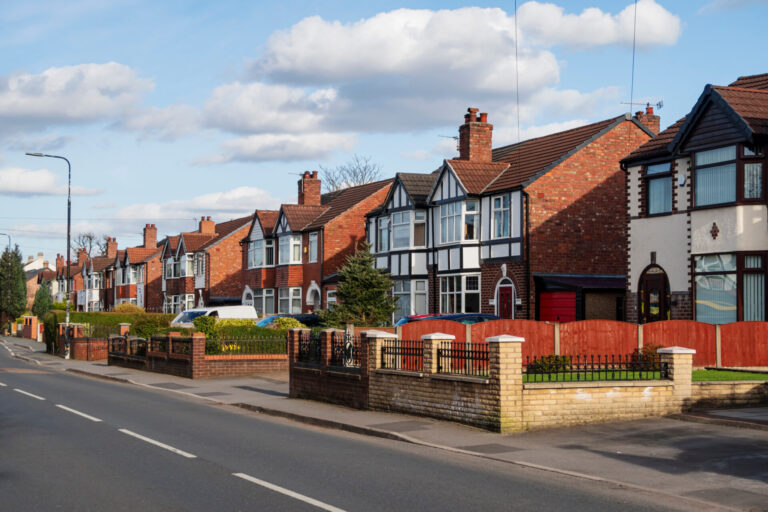

Energy efficiency has moved from being a secondary consideration for landlords to one of the most important factors shaping the rental market. Across the UK, regulations are tightening and tenant expectations are evolving. For landlords with property in Southport, particularly those with period homes built in the Victorian or 1930s era, improving energy performance is now both a challenge and an opportunity.
Many rental properties in Southport were constructed long before modern energy standards existed. While these homes often offer character, spacious layouts and desirable locations, they can struggle to reach modern efficiency targets. The government’s push towards higher Energy Performance Certificate ratings means landlords increasingly need to consider how their properties will perform in the coming years.
For buy-to-let Southport investors, the key question is not simply how to meet new energy targets, but how to achieve a strong return on investment when making improvements. Upgrading insulation, heating systems and controls can enhance tenant appeal, reduce running costs and increase rental value when carried out strategically.
At Northwood Southport, we regularly work with landlords who want to future-proof their investments while maintaining strong rental returns. Understanding where energy improvements deliver the best value is essential for landlords preparing for the 2026 rental market and beyond.
The Southport rental market in 2026
Southport has long been a popular location for tenants seeking a balance between coastal lifestyle and strong connections to nearby cities such as Liverpool and Preston. The town attracts a wide range of residents, including families, professionals and retirees.
Property data from sources such as the Rightmove House Price Index and the Zoopla Property Price Index suggests that demand for rental homes across the North West continues to remain steady. While housing affordability remains a challenge in many parts of the UK, towns like Southport offer tenants an appealing combination of lifestyle and accessibility.
For landlords involved in buy-to-let Southport investment, this means that well-maintained properties continue to attract reliable tenants.
However, tenant expectations are evolving. Rising energy costs have made efficiency a key consideration for many renters. Prospective tenants increasingly ask about heating systems, insulation levels and Energy Performance Certificate ratings before committing to a tenancy.
This shift means that energy efficiency is no longer simply a regulatory requirement. It is becoming a competitive advantage in the rental market.
Why EPC ratings matter for Southport landlords
Energy Performance Certificates measure how efficiently a property uses energy. Ratings range from A, which represents the highest efficiency, through to G for the lowest.
Many older rental properties currently sit within bands D or E. Proposed regulations are expected to encourage landlords to move towards EPC Band C for rental homes in the coming years.
For buy-to-let Southport landlords, this presents both a challenge and a decision point. Some properties may require relatively small improvements to reach higher ratings, while others may require more substantial upgrades.
Ignoring the issue may become costly. Properties with poor energy ratings may struggle to attract tenants or could require urgent upgrades if regulations change.
Taking a proactive approach allows landlords to plan improvements strategically and spread costs over time.
Understanding the return on investment from energy improvements
One of the most important questions landlords ask is whether energy upgrades will pay for themselves.
While some improvements involve upfront investment, the benefits can extend beyond regulatory compliance. Energy homes often attract higher-quality tenants and may achieve stronger rental values.
There are several ways energy upgrades can generate a return on investment.
Higher EPC ratings can increase the attractiveness of a property when compared with competing rentals.
Energy-efficient homes often lead to lower tenant utility bills, making them easier to let.
Well-maintained and upgraded properties may reduce long-term maintenance costs.
Improved property value can also strengthen the overall investment.
For landlords focusing on buy-to-let Southport opportunities, these factors combine to make energy improvements an increasingly strategic decision.
Quick energy efficiency improvements for rental properties
Some of the most effective improvements require relatively modest investment. These upgrades can often improve EPC scores while making properties more comfortable for tenants.
Loft insulation is one of the simplest upgrades. Heat rises, and poorly insulated loft spaces allow warmth to escape quickly. Adding insulation can significantly improve energy retention within a home.
Smart thermostats have also become popular. These devices allow tenants to manage heating schedules more effectively and can reduce unnecessary energy usage.
LED lighting provides another simple improvement. Modern LED bulbs consume far less electricity than traditional lighting while lasting significantly longer.
Draught proofing around doors and windows can also improve comfort levels by reducing heat loss.
For landlords managing buy-to-let Southport properties, these quick upgrades can provide noticeable improvements without major disruption.
Energy improvements suited to period properties
Many Southport homes were built during the Victorian era or the early twentieth century. These properties often feature solid brick walls and traditional construction methods.
Because of this, improving energy efficiency can sometimes require tailored solutions.
Upgrading older boiler systems can deliver immediate benefits. Modern condensing boilers are significantly more efficient than older models.
Installing double glazing where appropriate can reduce heat loss and improve sound insulation.
Improved heating controls, such as programmable thermostats, allow tenants to manage temperature more efficiently.
These upgrades can move properties closer to EPC Band C without requiring extensive structural alterations.
Deep retrofit options for long-term efficiency
In some cases, landlords may choose to undertake larger-scale improvements that deliver long-term efficiency gains.
Air source heat pumps are becoming more widely discussed as an alternative heating solution. These systems extract heat from the air outside and use it to warm the home.
Solar panels can also contribute to reducing energy consumption by generating electricity from sunlight.
Internal wall insulation can improve thermal performance in properties with solid walls.
These deep retrofit solutions typically require higher investment but can deliver significant efficiency improvements over time.
For buy-to-let Southport investors planning to hold property for many years, such upgrades may form part of a long-term investment strategy.
How energy efficiency influences tenant demand
Tenants are increasingly aware of energy performance when choosing a home. Rising utility costs mean that efficient properties can be more appealing than those with higher running costs.
Energy-efficient homes provide several advantages from a tenant perspective.
Lower heating costs make monthly living expenses more manageable.
Better insulation often improves comfort levels throughout the year.
Environmentally conscious renters may prefer homes that reduce energy consumption.
Because of these factors, energy improvements can help landlords attract tenants who are likely to stay longer and take better care of the property.
The impact of energy upgrades on rental value
Improving a property’s energy performance can also influence the rent it can achieve.
Homes that are warm, efficient and modern often stand out in property listings. Tenants comparing multiple options may choose the home that promises lower energy bills and greater comfort.
While the exact rental increase varies depending on the property and location, well-maintained and upgraded homes frequently command stronger demand.
For landlords focusing on buy-to-let Southport investment, this means that energy improvements can contribute to both occupancy levels and rental income.
Planning your energy upgrade strategy
For landlords unsure where to begin, creating a structured improvement plan can help.
The first step is reviewing the property’s current EPC rating. This identifies areas where improvements could deliver the greatest benefit.
Next, landlords can prioritise quick upgrades such as insulation and heating controls that provide immediate efficiency gains.
Larger improvements can then be planned over time as part of a long-term investment strategy.
Landlords who would like insight into the potential rental value of their property can request a professional appraisal here.
Understanding rental demand helps landlords evaluate whether planned upgrades will increase the property’s appeal.
Why professional property management can support landlords
Managing a rental property involves staying informed about regulatory changes as well as maintaining high property standards.
Professional property management services provide landlords with guidance on compliance, maintenance and tenant expectations.
Agents can advise on improvements that enhance tenant appeal while also supporting long-term investment goals.
Landlords interested in learning more about local letting services can explore options here.
Exploring rental opportunities in Southport
For tenants and investors interested in the Southport market, the town offers a wide variety of rental homes ranging from modern apartments to spacious period houses.
Those looking to explore current rental opportunities in the area can view available properties here.
Future-proofing your Southport rental investment
Energy efficiency will continue to play an increasingly important role in the UK rental sector. For landlords in Southport, particularly those with period homes, planning ahead can help ensure properties remain attractive to tenants and compliant with future regulations.
By focusing on improvements that deliver a strong return on investment, landlords can protect rental income while enhancing the long-term value of their properties.
With careful planning and the right guidance, buy-to-let Southport investors can ensure their properties remain competitive in the evolving rental market well beyond 2026.