In 2026, renting in Liverpool looks very different from just a few years ago. Demand remains strong across the city, with Zoopla and Rightmove reporting continued rental growth across key North West markets. Liverpool has been one of the standout cities, with rental growth reaching around 8.3 percent year on year. For buy-to-let landlords and property investors, that presents a clear opportunity.
But there is a shift beneath the surface.
Tenants are no longer focused on rent alone. They are comparing total monthly living costs. They are checking EPC ratings before booking viewings. They are asking about insulation, heating systems and running costs. In short, energy efficiency has become one of the biggest decision-making factors in the Liverpool rental market.
For landlords, this changes the conversation. Energy efficiency is no longer just about compliance. It is about protecting yield, reducing void periods and positioning your property at the top of the market. With the right approach to property management in Liverpool, green upgrades can become one of the most powerful tools in your investment strategy.
Why energy efficiency now drives tenant demand in Liverpool
Liverpool remains a high demand rental city. A strong student population, growing professional workforce and ongoing regeneration continue to support tenant demand. Rightmove rental data consistently shows high enquiry levels for well-presented homes in popular postcodes such as L1, L2, L17 and L18.
However, tenant expectations have changed.
The cost of living has reshaped priorities. Energy bills remain one of the biggest household expenses. Tenants now look beyond headline rent and consider what the property will cost to heat and run. A home with poor insulation or an older boiler can quickly become less attractive, even if the rent appears competitive.
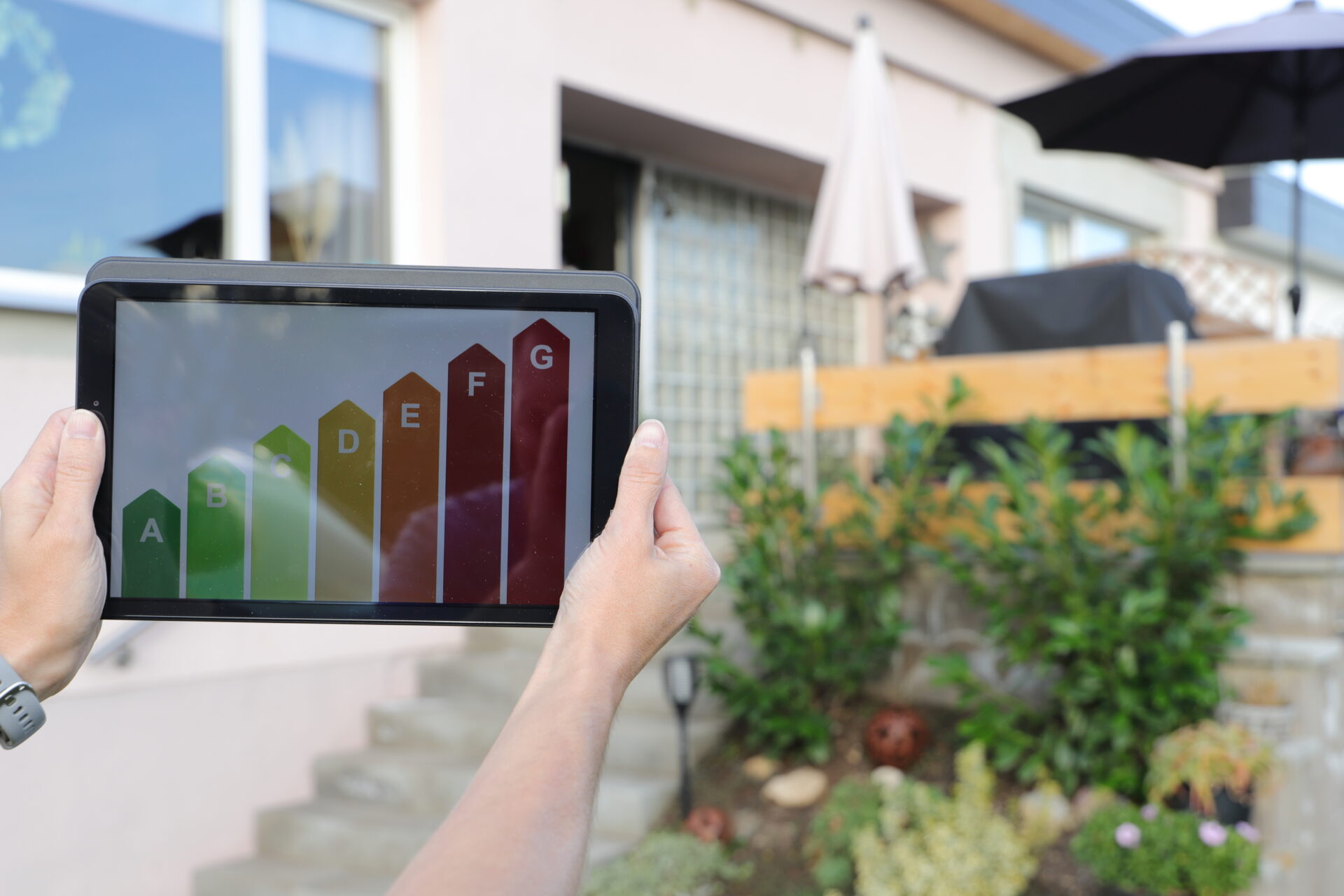
EPC ratings have become a quick comparison tool. When tenants browse listings online, they can see energy performance information instantly. A property with an EPC rating of C or above often attracts more attention than one rated D or E. This has a direct impact on viewing numbers and ultimately on void periods.
From a property management perspective in Liverpool, this shift is significant. Landlords who understand how energy performance affects tenant behaviour are better placed to protect income and maintain strong occupancy levels.
The link between green upgrades and rental yield protection
Yield protection in 2026 is not only about achieving a higher rent. It is about sustaining income over a full twelve month period. Even a short void can reduce annual returns.
Consider two similar two bedroom flats in the same Liverpool postcode. One has improved insulation, modern double glazing and an efficient heating system. The other has older windows and minimal insulation. Even if both are marketed at a similar rent, the more energy-efficient property is likely to let faster and attract stronger applicants.
Shorter void periods mean fewer lost rental days. Over time, this difference can outweigh the initial cost of upgrades. That is why many landlords now see energy efficiency as a yield protector.
Liverpool’s 8.3 percent rental growth creates further opportunity. Well-upgraded homes are better placed to capture top tier rents. Tenants are often willing to pay slightly more for a property that promises lower energy bills and greater comfort. With professional property management in Liverpool, landlords can position these homes correctly and justify premium pricing with clear data.
Energy efficiency also supports tenant retention. Comfortable homes with stable heating and lower bills tend to reduce turnover. Fewer changeovers mean lower remarketing costs, less wear and tear and more stable income.
Fabric first strategy: the upgrades Liverpool landlords should prioritise
When planning improvements, a fabric first approach is key. This means focusing on the building’s core performance before adding advanced technology.
Improving insulation is often the most cost effective starting point. Loft insulation can significantly reduce heat loss in many Liverpool properties, particularly in older terraces and semi detached homes. Cavity wall insulation and draught proofing also deliver measurable improvements in energy performance.
Windows and doors play a crucial role. Upgrading to quality double glazing reduces heat loss and improves comfort. Sealed frames and well-fitted doors prevent cold air from entering and warm air from escaping. These changes are visible to tenants and can improve first impressions during viewings.
Heating systems should also be reviewed. Modern, energy-efficient boilers reduce running costs. Smart thermostats allow tenants to control heating more precisely, improving both comfort and efficiency. Zoned heating can further enhance performance in larger properties.
Renewable additions such as solar panels or air source heat pumps may suit some properties. However, these should follow core fabric improvements rather than replace them.
From a property management in Liverpool standpoint, the key is prioritisation. Not every property requires the same upgrades. Local knowledge of building types, tenant profiles and rental values helps landlords invest where it will have the greatest impact.
Funding, grants and financial considerations in 2026
Landlords often ask about the financial side of green improvements. While upfront costs can seem significant, there are several factors to consider.
Government schemes and local incentives may support certain upgrades. Green mortgage products offered by some lenders provide preferential rates for properties with higher EPC ratings. Over time, improved energy performance can enhance resale value, particularly as buyers become more aware of regulatory changes.
There are also potential tax considerations. Some improvements may qualify as capital expenditure, while others may fall under allowable expenses. Landlords should always seek advice from a qualified tax adviser.
Working with experienced property management in Liverpool helps landlords align financial planning with market strategy. Improvements should not be made in isolation. They should form part of a broader investment plan focused on long-term returns.
The risk of doing nothing
In a competitive rental market, standing still can mean falling behind.
Properties with lower EPC ratings may begin to experience longer voids as tenants prioritise efficiency. Rent negotiations may become more common where running costs are high. Over time, this can place downward pressure on effective yield.
Regulation is another factor. While the exact timing of further EPC requirements may evolve, the direction of travel is clear. Standards are likely to tighten rather than relax. Landlords who upgrade early avoid rushed decisions later.
Reputation also matters. In the digital age, tenant reviews influence demand. A property known for high bills and poor insulation may struggle to attract strong applicants. Proactive property management in Liverpool helps landlords avoid these risks and maintain a competitive edge.
A Liverpool case example: upgrading to protect income
One local landlord approached Northwood Liverpool after experiencing repeated short voids in a two bedroom property. The EPC rating was D, and feedback from prospective tenants often mentioned concerns about heating costs.
After a review, a fabric first plan was agreed. Loft insulation was upgraded, minor draught issues were addressed and the boiler was replaced with a more efficient model. The EPC improved, marketing highlighted the reduced running costs and the property was repositioned in line with comparable efficient homes.
The result was a faster let agreed and improved tenant retention. Over twelve months, reduced void time and stable occupancy offset a significant portion of the upgrade costs. This is a practical example of how property management in Liverpool can connect energy strategy with income protection.
Why professional property management in Liverpool makes the difference
Energy efficiency is only one part of the 2026 rental landscape. Compliance, legislation and tenant expectations continue to evolve. For many landlords, managing this alone can be time-consuming and complex.
Professional property management in Liverpool provides structured support. This includes monitoring EPC ratings, advising on priority upgrades and ensuring marketing reflects current tenant demand. It also includes accurate rental valuation based on local data and performance indicators.
At Northwood Liverpool, local insight combines with national reach. Understanding which postcodes command premium rents, which property types benefit most from upgrades and how to reduce void periods is central to our approach. Energy efficiency is built into that strategy, not treated as an afterthought.
If you are considering expanding your portfolio or want to review the performance of an existing property, our team can help you plan effectively for 2026 and beyond. Arrange a detailed rental valuation with Northwood Liverpool and discover how your property compares in today’s market.
Landlords seeking hands-on support with compliance, tenant management and strategic upgrades can explore our full property management in Liverpool services and see how we protect income while maximising returns.
If you are an investor looking for high demand rental opportunities in Liverpool, view our current available rental properties and investment options and speak to our local team about building a resilient portfolio.
Conclusion: Energy efficiency is the new benchmark for rental success
Renting in 2026 is shaped by informed tenants and rising expectations. Liverpool continues to offer strong rental growth and attractive yields, but performance now depends on more than location and presentation.
Energy efficiency has become a central factor in tenant choice. Properties that perform well on EPC ratings, offer lower running costs and provide year-round comfort are better placed to let quickly and sustain income. Those that fall behind may face longer voids and increasing pressure.
For landlords and property investors, the message is clear. Treat green upgrades as an investment in yield protection, not simply a compliance exercise. With expert property management in Liverpool, you can prioritise improvements, capture market growth and future-proof your portfolio.
In a competitive and evolving market, informed action is the strongest safeguard for long-term success.