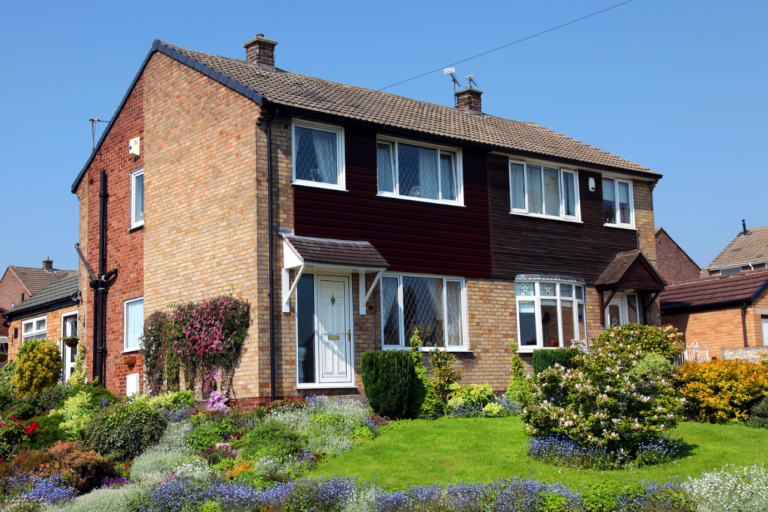

Cladding is a common feature on many modern and older buildings. It is used to improve insulation, protect against the weather, and enhance appearance. It comes in various forms, such as brick slips, stone, timber, composite panels, and metal finishes. When it is installed correctly, cladding can improve both the comfort and energy efficiency of a property.
In recent years, cladding has become a focus of building safety discussions, particularly following the Grenfell Tower tragedy in 2017. This event highlighted the importance of understanding the materials used on a building’s exterior, how safe they are, and what legal protections exist for leaseholders.
Related: How to sell a leasehold property?
What is cladding?
Cladding is a material fixed to the outside of a building. It’s often used to improve insulation, protect the structure from the weather, and enhance appearance. Cladding can be made from many materials, such as metal, brick, stone, vinyl, wood, or composite panels.
The problem is that some cladding, especially certain aluminium composite materials, can be highly flammable. This can make fires spread faster and cause significant safety risks.
The impact of Grenfell
The Grenfell Tower fire in June 2017 claimed 72 lives and revealed serious failings in building safety, including the use of combustible cladding. Since then, the government has introduced tighter regulations, funding schemes, and legal protections to improve building safety and protect leaseholders from unfair costs.
The Building Safety Act 2022
The Building Safety Act 2022 is the most significant change to UK building safety law in decades. It affects building owners, developers, landlords, and leaseholders.
Its aims include:
- Making buildings safer, especially high-rise blocks over 18 metres.
- Ensuring the right people take responsibility for safety.
- Protecting leaseholders from the costs of fixing historic safety defects they didn’t cause.
EWS1 form
An EWS1 (External Wall System) form is a safety assessment for the outside of a residential building. It confirms whether cladding or other materials on the external wall meet safety standards. Lenders often require this form before approving a mortgage on a flat in a building with cladding.
How to find out whether your property needs an EWS1 form
You may need an EWS1 if your building is:
- Over 18 metres high.
- Between 11–18 metres high and has specific safety concerns.
- Fitted with cladding of uncertain safety.
Your managing agent, freeholder, or residents’ association can tell you if an assessment has already been carried out.
Who’s responsible for organising the EWS check
The freeholder or building owner is responsible for arranging an EWS1 check. Leaseholders are not required to organise this themselves, although they can request updates and push for action if it’s overdue.
How long does it take to get an EWS1 form?
The process can take several weeks to months, depending on how quickly a qualified professional can inspect the building and issue the report. Backlogs in some areas mean it’s worth asking early if you plan to sell or remortgage.
Responsible Actors Scheme
Launched by the government in 2023, the Responsible Actors Scheme requires major housebuilders and developers to sign a contract committing to repair unsafe buildings they were involved in developing or refurbishing over the last 30 years.
If a developer refuses to sign, they can be barred from starting new projects until they agree to fix historic defects.
When are leaseholders liable to pay for work if the building is unsafe?
The Building Safety Act aims to protect qualifying leaseholders from most cladding-related costs. However, there are situations where you may still need to contribute to non-cladding repairs.
The Building Safety Act 2022: Better financial protection for leaseholders
You qualify for extra protection if:
- Your property is in a building over 11 metres or five storeys high.
- You own no more than three UK residential properties in total.
- You held the lease on 14 February 2022.
In these cases, you can’t be charged for cladding removal, and there are caps on what you can be charged for non-cladding safety work.
New Building Safety Regulators
The Building Safety Regulator, part of the Health and Safety Executive (HSE), now oversees the safety of high-rise residential buildings in England. It ensures building owners meet their responsibilities, investigates serious safety concerns, and enforces compliance.
Leaseholders and landlord certificates
Under the Building Safety Act, freeholders and landlords must provide a Landlord’s Certificate if they want to recover certain costs from leaseholders. This document confirms whether the building qualifies for cost protections and outlines any historic defects.
Leaseholders may also need to provide a Leaseholder Deed of Certificate to confirm their qualification status. This can affect whether you’re liable for safety remediation costs.
Related: What is a leasehold property? Leasehold vs freehold
Do you own a leasehold property?
If you’re a leaseholder in a building with cladding, knowing your rights under the Building Safety Act 2022 is essential. You may be protected from paying for cladding removal, and government schemes could cover the costs instead.
Northwood can help you understand the latest rules, work with your freeholder or managing agent, and guide you through the selling or letting process if cladding is an issue.