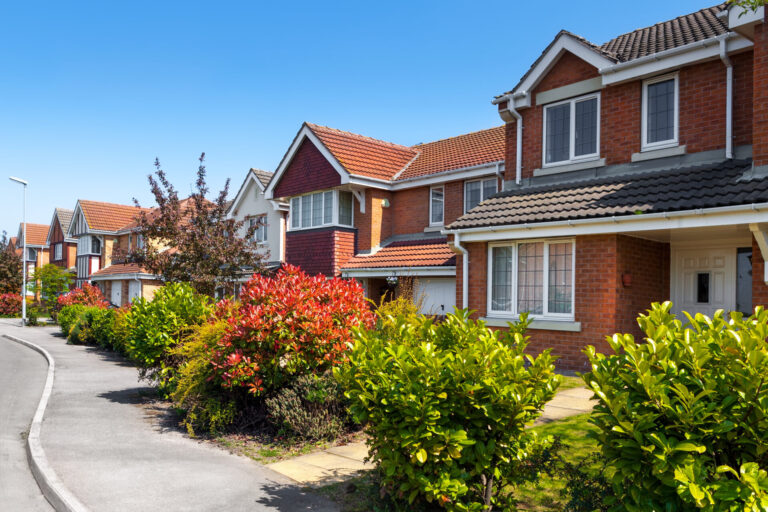

Bristol is a city defined by its ability to evolve. From maritime hub to creative capital, it has always responded to opportunity. Now, in 2026, the next chapter is taking shape. At the heart of it is the Temple Quarter regeneration project – a £2 billion transformation that is redefining not just the city’s skyline but its property market.
As the Temple Quarter Enterprise Campus prepares to open, and new homes and transport links take shape, buyers and investors are paying closer attention to what this means for Bristol’s housing landscape. For sellers, particularly in postcodes like BS1 and BS2, the uplift is already underway.
Let’s explore how this project is influencing demand, shifting the city’s centre of gravity, and creating strategic opportunities for those looking to sell or invest in Bristol in 2026.
What is the Temple Quarter project?
Temple Quarter is one of the most ambitious regeneration schemes in the UK. Backed by the West of England Combined Authority and Bristol City Council, and anchored by the University of Bristol, the project aims to deliver:
- 10,000 new homes
- 22,000 jobs
- A new city centre university campus
- Improved access to and from Temple Meads station
- Commercial, retail and public spaces
This regeneration spans 130 hectares around Temple Meads, covering areas such as St Philip’s Marsh, Silverthorne Lane, and parts of the Harbourside.
Work is well underway, and 2026 marks a key turning point. The Enterprise Campus is becoming a defining feature of the skyline, and infrastructure works are progressing at pace. New pedestrian-first zones, high-speed rail connectivity, and modern housing developments are turning this once underused zone into Bristol’s new urban core.
How Bristol regeneration in 2026 is already impacting property values
Buyers and investors don’t wait until a project is complete – they act as soon as momentum is visible. In the case of Temple Quarter, that moment is now.
According to Rightmove’s House Price Index, average property prices in BS1 have increased by 7.4% over the past 12 months, outpacing both regional and national trends. Flats and apartments near Temple Meads are seeing particular demand from professionals and relocating buyers.
Zoopla’s Price Index highlights similar growth in central Bristol. Demand for homes in walkable, well-connected areas is rising, especially among buyers priced out of London but looking for city-centre convenience.
This regeneration is shifting how people perceive central Bristol. No longer just an area for business travel or weekend breaks, it’s fast becoming one of the most desirable places to live and invest in the South West.
Why buyers are drawn to property near Temple Meads
Temple Meads station has always been a gateway to the city. Now, with expanded access, new surrounding amenities, and a campus bringing thousands of students and researchers into the area, demand for homes within walking distance of the station is rising fast.
Buyers are targeting property near Temple Meads for several reasons:
- Commutability – London is accessible in under 90 minutes, and improved local transport makes hybrid working easier
- Lifestyle – proximity to the Harbourside, Old Market and new campus retail space offers a vibrant urban experience
- Investment value – early movers into regeneration zones often see stronger long-term returns
In a market where new developments are priced at a premium, many buyers are now turning to established homes and resale flats near the station. Demand is outstripping supply, particularly for well-presented 1 and 2-bedroom apartments with parking or outdoor space.
Spotlight on St Philip’s Marsh and the new Harbourside appeal
Previously seen as light industrial, St Philip’s Marsh is now one of the most talked-about regeneration zones in Bristol. Its inclusion in the Temple Quarter masterplan means it will see significant transformation in the coming years – from warehouses to homes, cycle paths and waterside living.
Already, the uplift is visible. Developers are launching plans for mixed-use buildings, and local businesses are moving in to capture the energy of change. As infrastructure improves, this area is likely to attract both first-time buyers and young professionals seeking proximity to the Enterprise Campus.
Meanwhile, the Harbourside continues to perform strongly. According to recent Zoopla sales data, properties in BS1 fetch an average of £395,000, with some modern flats exceeding £600,000 depending on view and finish.
This isn’t just about luxury. It’s about liveability. Green spaces, walkable access to the city centre, and the presence of creative and tech industries all contribute to long-term desirability.
Why investors are focused on Temple Quarter
From a buy-to-let perspective, Bristol has long offered strong fundamentals: a high-performing university, consistent rental demand, and a growing population. Temple Quarter adds a new layer.
With 22,000 jobs forecast and 10,000 new homes planned, the balance of commercial and residential space is well-aligned. Many of the new roles will be in research, education, tech and business services – sectors known for attracting well-paid tenants.
Savvy investors are looking at:
- Existing flats in BS1 and BS2 with scope for rental growth
- Off-plan opportunities in St Philip’s Marsh and Silverthorne Lane
- HMOs and shared living properties for postgraduate or university staff
Yields in central Bristol remain strong. According to ONS rental data, 2-bed apartments in BS2 now average £1,450 pcm, with premium properties letting for much more.
The combination of rising capital values and stable tenant demand is making Temple Quarter a long-term investment play – not a short-term flip.
Why now is the moment to sell in BS1 and BS2
If you own a property in or near Temple Quarter, 2026 could be the most strategic year to sell in over a decade.
Here’s why:
- Media coverage and visibility around the campus opening will drive interest
- Buyers are actively searching before new-build completions flood the market
- Low resale stock means well-presented homes command a premium
Rightmove reports that early-year listings perform best when paired with major regeneration headlines. With the Enterprise Campus becoming operational, Bristol’s profile is set to rise further in early 2026.
Selling now allows homeowners to benefit from increased demand and limited competition. In many cases, we are seeing multiple buyer interest within the first two weeks of listing.
At Northwood Bristol, we’re already working with buyers specifically requesting properties within walking distance of Temple Meads and the new campus. Sellers in BS1 and BS2 are perfectly placed to benefit.
How Northwood Bristol can help
Whether you’re a homeowner thinking of selling or an investor considering your next step, the Temple Quarter transformation is a defining opportunity. At Northwood Bristol, we combine:
- Deep local knowledge of regeneration zones
- Real-time buyer demand insights
- Expert marketing tailored to urban professionals and lifestyle-focused buyers
- End-to-end support for both sellers and landlords
We’re also seeing strong cross-interest between our sales and lettings teams. Many prospective landlords are purchasing with the intent to let, while others are exploring Guaranteed Rent as a way to secure their income.
Book your valuation or explore what’s on the market
If you’re asking yourself whether now is the time to act, we’re here to help you decide.
Book your free valuation or speak to a local expert at Northwood Bristol today.
Northwood Bristol. Local knowledge, national reach.