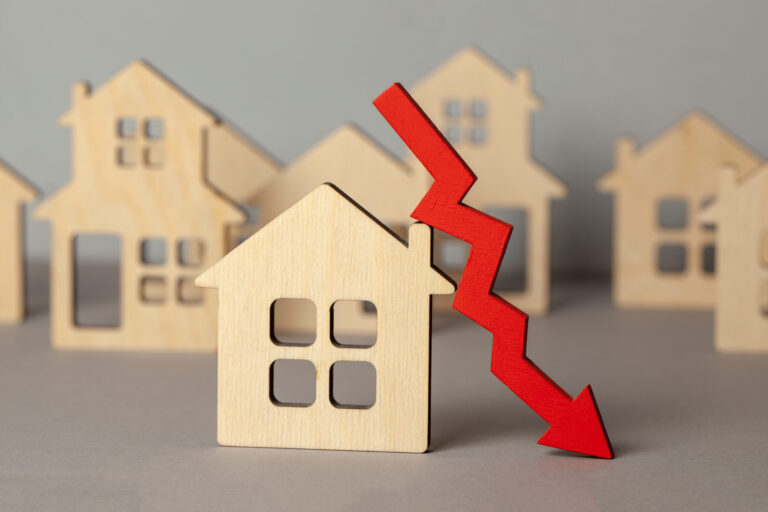
Many homeowners invest in renovations with the expectation that every improvement will boost their property’s value. While some upgrades do enhance appeal and market price, others can have the opposite effect, reducing value and narrowing buyer interest.
Factors such as poor design, loss of functional space, or ignoring local market preferences can turn well-meaning projects into costly missteps.
If you are wondering what renovations are worth doing before selling your house, we can help. Coming up, we’ll highlight home improvements that may not deliver the returns you expect, helping you make smart, value-driven choices backed by expert insights and market analysis.
Related: More than Half of UK Homes Are Not Energy Efficient
The impact of removing a chimney breast
While opening up space can be beneficial, removing a chimney breast is not always desirable for buyers. Original fireplaces, especially in period properties, add character and charm, and often serve a structural purpose.
In modern homes, removal might offer more usable space, but it is essential to consult a structural engineer before committing to this costly renovation.
How removing a conservatory can affect value
Buyers often view a conservatory as an extension of their living space or a garden room. Even if not officially classified as habitable, its removal can create a perception of reduced space.
Unless it is outdated or in poor condition, removing a well-maintained, insulated, and visually appealing conservatory may reduce your home’s appeal and potential value.
The downsides of hobby-based room makeovers
Personalising rooms, such as converting them into a home cinema, private gym, or library, can sometimes be too niche, poorly executed, or out of step with market trends. Sacrificing versatile spaces, such as bedrooms or home offices, may also limit a property’s appeal to future buyers.
To preserve your home’s value, consider making such conversions temporary or easily reversible.
Bath vs shower: what buyers want
This decision should depend on the total number of bathrooms in the property. In homes with multiple bathrooms, removing a bathtub can be an easier choice. On the other hand, in one-bathroom properties, families with young children often prioritise having a bath.
Unless the bathtub is being replaced with a spacious shower that improves the overall layout, it is usually best to keep it.
Is losing a garage or parking space worth it?
Off-street parking is a valuable asset, offering both convenience and practicality. Converting a garage into a living space can provide flexible use, but it may impact kerb appeal, particularly in urban areas where parking is limited, making the loss of a garage a potential deal-breaker.
However, a well-designed garage conversion can increase property value by an estimated 10–20%. Although much depends on what the space is converted into and how easily it can be adapted by future owners.
Source: Does a garage add value to your home? – Yopa Homeowners Hub
Swimming pools: luxury or liability?
Swimming pools are often seen as high-maintenance and costly, with limited use and potential to raise property taxes. They rarely provide a full return on investment and can even lower a home’s value. However, if local demand favours pools, they can boost property value by up to 15% and improve market appeal.
Source: Do Swimming Pools Add Value to a House? | We Buy Any Home
Installation costs typically range from £20,000 to £50,000, and whether it adds value to your home depends on the location and buyer preferences. Speak to your Northwood agent to find out if it’s worth it for your home.
Source: Swimming Pool Cost Guide: Plan Your Budget – MyBuilder
Popcorn ceilings: modernising without compromising value
Removing a popcorn ceiling, that is, a textured ceiling, can be a smart move, as it often looks outdated and unattractive. That said, the process must be done professionally to avoid uneven surfaces or exposed plaster.
A smooth, modern finish can significantly enhance visual appeal and boost marketability. When done right, this simple update may lead to higher offers and add value to your home.
Is a cellar a smart investment for your home?
A usable cellar can be an impressive feature; however, before investing, assess your area’s buyer demographic.
High-quality design, proper insulation, and functionality can add value, but only if the space is well-integrated and does not compromise essential areas, like storage or utility rooms.
Can overbuilding hurt your home’s value?
Large or poorly planned extensions can reduce garden space, block natural light, and make the overall layout feel disjointed. They may also alter the external appearance of the house or clash with the character of the neighbourhood.
Over-improving beyond the local ceiling price often fails to deliver a return on investment and can limit buyer interest.
While extensions can provide valuable living or utility space, they must be carefully designed to avoid creating a cramped or unbalanced feel.
So, what devalues a house?
Too much or too little of any home improvement can alter the value of your house. Too much wallpaper can be a put-off for some, and bold colours can be a wow factor for some. When it comes to selling your house, it is smart to invest your time and money in areas that consider:
- Your local market: What’s standard or expected in your area?
- Your target buyer: Are your upgrades aligned with what buyers are looking for?
- Long-term usability: Will the improvement still be relevant in 5–10 years?
- Cost vs. value: Will the upgrade offer a return on investment at resale?
- Flexibility of space: Can the space be easily adapted by future owners?
- Quality of workmanship: Are renovations professionally done to a high standard?
Always consult a local property expert before making drastic changes. At Northwood, our team can offer tailored advice on which renovations will help or hurt your home’s market potential.
Further reading: